Summer in Auckland can put significant stress on your lawn. While the region is known for regular rainfall, the warmer months often bring dry periods, higher temperatures, and increased evaporation. These conditions can weaken grass, cause discolouration, and lead to uneven growth if not managed properly.
Maintaining a healthy lawn during summer requires a structured approach that focuses on moisture management, mowing techniques, soil health, and consistent care. This guide outlines practical and effective summer lawn care strategies tailored specifically for Auckland’s conditions.
Understanding Summer Lawn Stress in Auckland
During summer, lawns are exposed to longer daylight hours, stronger sunlight, and reduced soil moisture. Even in areas that receive occasional rain, the intensity of heat can quickly dry out the topsoil.
Common issues during Auckland summers include:
Understanding these challenges is the first step toward protecting your lawn and maintaining its appearance throughout the season.
Adjust Your Mowing Strategy for Summer
Mowing practices that work in cooler months can damage your lawn during summer if not adjusted.
Grass should be kept slightly longer during dry conditions. Taller grass provides shade to the soil, reducing moisture loss and protecting the root system from heat stress.
Avoid cutting too much at once. Gradual trimming helps maintain lawn health and prevents unnecessary strain.
Consistency is also important. Instead of infrequent heavy mowing, maintain a regular schedule to keep the lawn balanced.
For consistent results and proper height management, using a professional lawn mowing service in Auckland helps maintain your lawn without risking damage during peak heat periods.
Watering Techniques for Dry Conditions
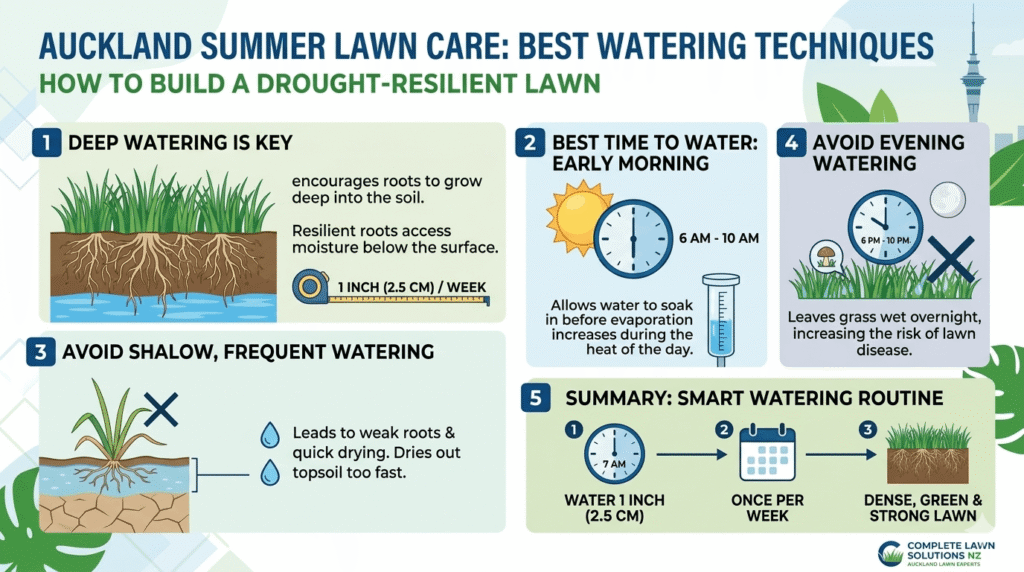
Watering is one of the most important aspects of summer lawn care. However, how you water is just as important as how often you water.
Deep watering encourages roots to grow further into the soil, making the lawn more resilient during dry spells. Shallow watering, on the other hand, leads to weaker roots and quicker drying.
The best time to water your lawn is early in the morning. This allows moisture to penetrate the soil before evaporation increases during the day.
Avoid watering in the evening, as excess moisture overnight can increase the risk of disease.
Maintaining the right balance ensures your lawn receives enough hydration without becoming oversaturated.
Preventing Dry Patches and Lawn Burn
Dry patches are a common issue during Auckland summers. These areas often appear when water distribution is uneven or when the soil becomes too compacted.
To reduce the risk of dry spots:
If dry patches have already formed, lightly loosening the soil and reseeding can help restore those areas.
Consistent care and early intervention prevent these patches from spreading and affecting larger sections of your lawn.
Managing Weed Growth in Summer
Weeds tend to thrive in dry conditions, especially when lawns are weakened by heat. They compete with grass for nutrients and water, making it harder for your lawn to stay healthy.
Early control is essential. Removing weeds before they spread reduces competition and allows your lawn to recover more effectively.
Targeted treatment methods are often required to fully eliminate persistent weeds. Using a professional weed spraying service ensures that unwanted growth is controlled without harming the surrounding grass.
Regular monitoring throughout summer helps prevent reinfestation and keeps your lawn looking clean and maintained.
Soil Health and Moisture Retention
Healthy soil plays a critical role in how well your lawn performs during dry conditions. Soil that retains moisture effectively can support grass growth even during periods of limited rainfall.
Improving soil structure can involve:
Aeration can also help improve water absorption by allowing moisture to penetrate deeper into the soil rather than running off the surface.
These improvements create a more stable environment for your lawn and reduce the impact of heat stress.
Lawn Feeding During Summer
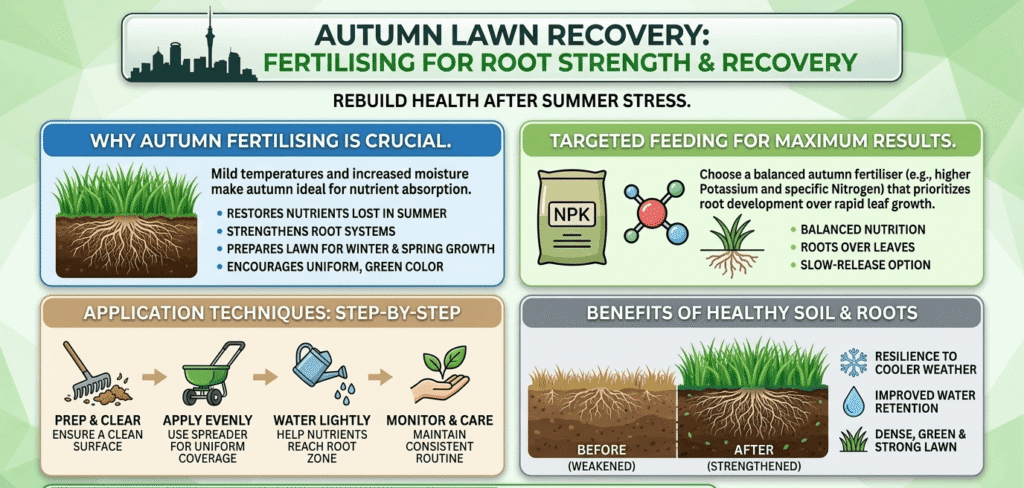
Fertilising during summer should be approached carefully. While nutrients are important, excessive or incorrect application can place additional stress on the lawn.
Using a balanced fertiliser in controlled amounts helps maintain steady growth without overwhelming the grass. Slow-release products are often preferred, as they provide nutrients gradually.
Timing is also important. Applying fertiliser during extreme heat should be avoided, as it can lead to further stress.
Light watering after application helps nutrients move into the soil where they can be absorbed more effectively by the roots.
Dealing with High-Traffic Areas
Increased outdoor activity during summer can lead to worn or compacted areas on your lawn. Foot traffic places additional pressure on already stressed grass.
To minimise damage:
Rotate usage of lawn areas where possible
Avoid heavy activity during peak heat
Repair worn sections early
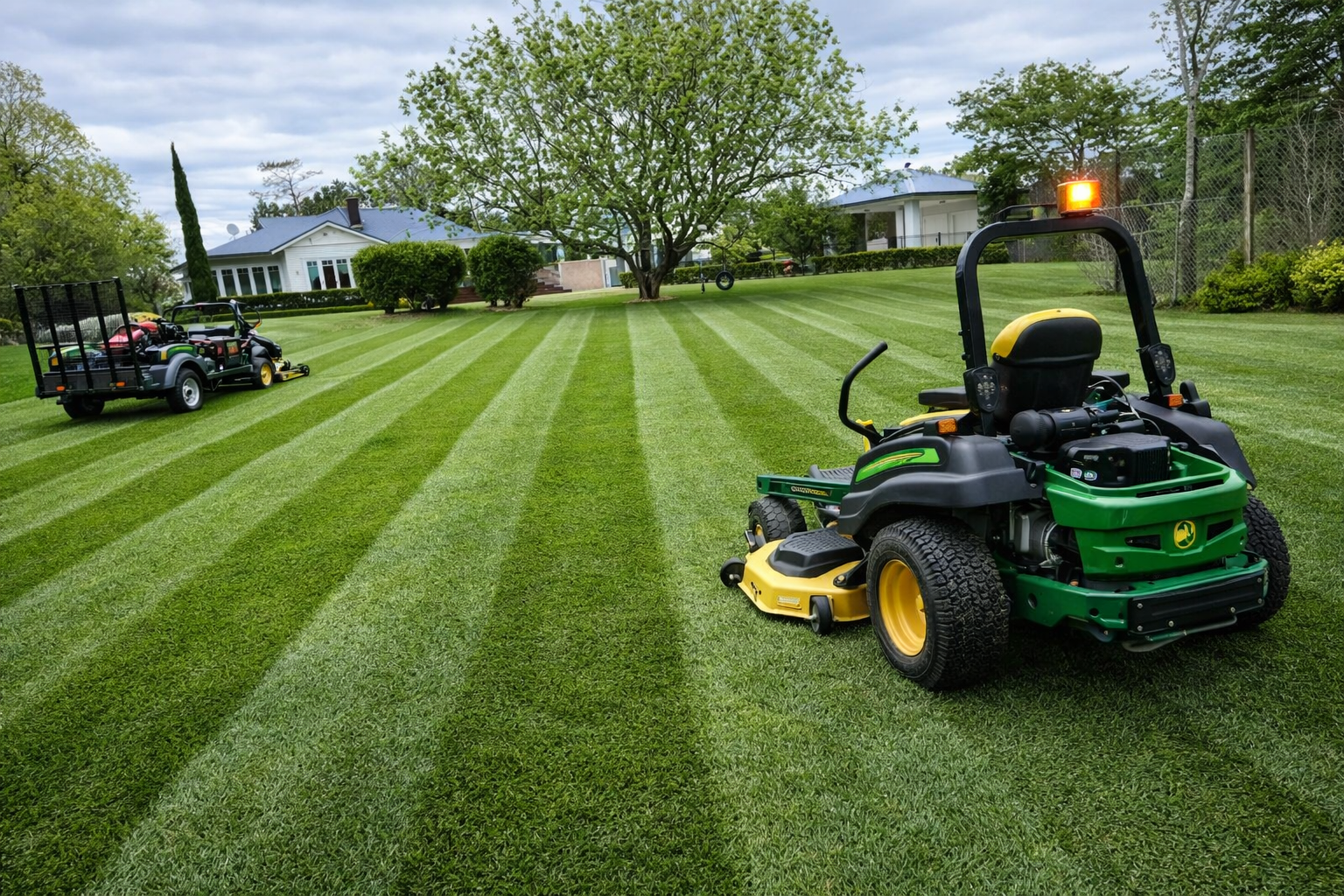
For larger properties or areas with frequent use, a ride-on mowing service helps maintain even coverage and reduces strain on the lawn.
Maintaining Lawn Edges and Appearance
Even during dry conditions, maintaining a clean and defined lawn appearance is important. Regular edging and trimming improve the overall look and prevent overgrowth from spreading into unwanted areas.
A well-maintained lawn not only looks better but also supports healthier growth by reducing competition between grass and surrounding plants.
Consistent upkeep ensures your lawn remains visually appealing throughout the summer season.
When to Consider Professional Support
Managing lawn care during summer can become challenging, especially for larger properties or lawns with existing issues such as poor drainage or heavy weed growth.
Professional services provide structured care and ensure that all aspects of lawn maintenance are handled correctly.
A professional lawn maintenance service can manage mowing, weed control, and overall lawn health, reducing the risk of long-term damage during dry periods.
Common Summer Lawn Care Mistakes
Cutting grass too short exposes the soil to direct sunlight and increases moisture loss. Inconsistent watering leads to uneven growth and weak root systems. Ignoring early signs of stress allows minor issues to develop into larger problems.
Excessive fertiliser use or poor timing can also place unnecessary strain on the lawn.
Maintaining a consistent and balanced approach helps avoid these issues and supports long-term lawn health.
Conclusion
Maintaining a healthy lawn during Auckland’s summer requires careful attention to mowing, watering, soil health, and weed control. The combination of heat and dry conditions can quickly affect lawn quality if not managed properly.
By adjusting your lawn care practices and addressing issues early, you can protect your lawn from stress and maintain strong, even growth throughout the season.
For reliable and professional support, visit Complete Lawn Solutions to keep your lawn in optimal condition during Auckland’s dry summer months.